Best Bangkok Tailor Scams Guide: How to Avoid Tourist Traps
Bangkok’s reputation as a custom tailoring destination is well-deserved, with skilled craftsmen creating beautiful garments at prices that would cost triple elsewhere. However, the city’s popularity has also attracted operators who prey on unsuspecting tourists, particularly those on short visits who won’t be around to complain.
After reviewing dozens of Bangkok tailors and hearing countless stories from visitors, I’ve identified the most common Bangkok tailor scams and red flags you need to watch for. This guide will help you distinguish between legitimate tailors and tourist traps that plague the city’s tailoring scene.
The Most Common Bangkok Tailor Scams
The “Special Promotion Today Only” Scam
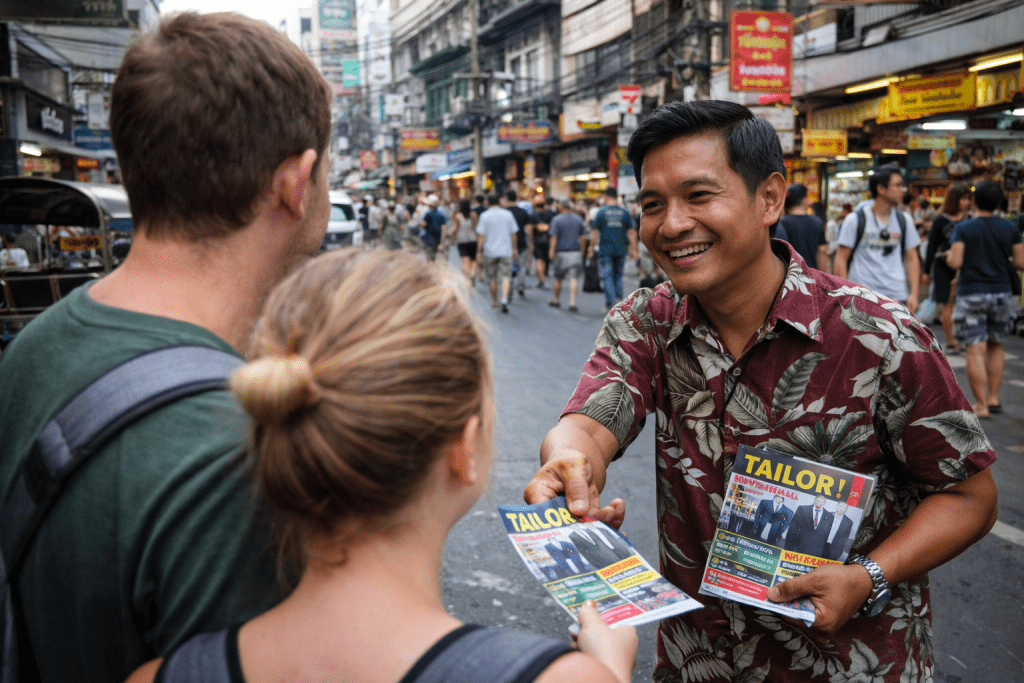
How it works: You’re walking near Sukhumvit, Silom, or a major hotel when a friendly stranger strikes up conversation. Within minutes, they mention their “brother” or “friend” has a tailor shop with an incredible promotion ending today. “Two suits, three shirts, and a tie for 10,000 baht!” They’ll even escort you there personally.
Why it’s a scam: These touts receive commissions from low-quality tailor shops. The “promotion” is permanent and designed to create false urgency. The garments are typically made from terrible fabric with poor construction that falls apart after a few wears. This is one of the most prevalent Bangkok tailor scams targeting tourists in high-traffic areas.
Red flag: Any tailor requiring a tout to bring in customers isn’t good enough to survive on their reputation. Legitimate Bangkok tailors don’t pay street commission.
The Tuk-Tuk Driver “Recommendation”
How it works: Your tuk-tuk driver offers to take you to “the best tailor in Bangkok” for free or a discounted ride. He might claim his uncle owns the shop or that he gets a small fuel allowance for bringing customers.
Why it’s a scam: Drivers receive substantial commissions (often 30-40% of your purchase) from these shops. To cover this cost, tailors use cheap materials and rush production. The driver’s incentive is volume, not your satisfaction.
What actually happens: You’ll pay inflated prices for substandard work, and the tailor has already paid out a chunk of your money before even cutting fabric.
The Bait-and-Switch Fabric
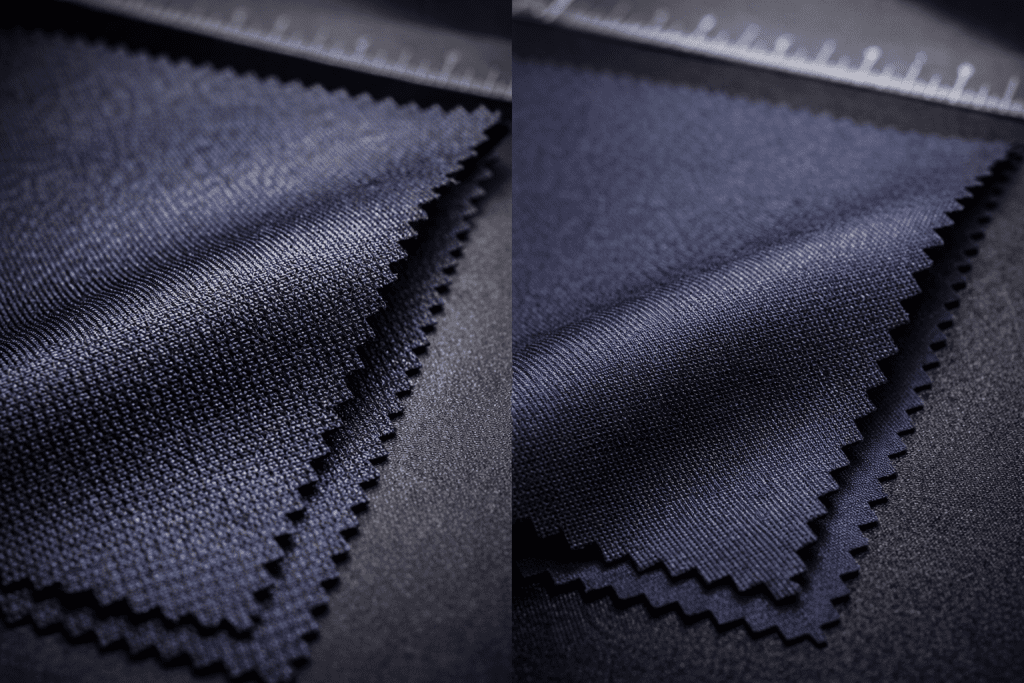
How it works: You select a beautiful Italian or English fabric sample in the shop. The tailor quotes a reasonable price. When your garment arrives, the fabric feels different—thinner, less luxurious, with an off color or sheen.
Why it’s a scam: Unscrupulous tailors show premium fabric samples but substitute cheaper alternatives with similar patterns. Most tourists can’t tell the difference until they’re home.
How to avoid it: Ask to keep a swatch of your chosen fabric, take a photo of the bolt with the fabric name visible, or request they cut your fabric while you watch. Legitimate tailors have no problem with this.
The “Two-Day Suit” Rush Job
How it works: You mention you’re leaving Bangkok in two days. Instead of explaining this isn’t enough time for quality work, the tailor enthusiastically agrees and promises your suit will be perfect.
Why it’s a scam: A properly made custom suit requires at least one fitting, preferably two. Rushing the process means poor measurements, no adjustments, and shortcuts in construction. These tailors count on you discovering problems after you’ve left Thailand.
Reality check: Reputable tailors need 4-7 days minimum, or they’ll be honest that they can’t accommodate your timeline properly.
The Pre-Payment Trap
How it works: The tailor requires 100% payment upfront, sometimes even before taking measurements or selecting fabric. They might claim it’s policy or necessary to “reserve” premium fabrics.
Why it’s a scam: Once they have your full payment, you’ve lost all leverage. If the suit is poor quality or doesn’t fit, your options are limited. Some shops deliberately produce subpar work knowing customers won’t fight over deposits from abroad.
Standard practice: Most legitimate tailors ask for 50% deposit with the remainder due on collection. This protects both parties and ensures the tailor is motivated to deliver quality.
The Package Deal Pressure
How it works: You come in wanting one suit, but the tailor aggressively pushes multi-item packages. “Two suits and four shirts is much better value!” They make it seem wasteful to buy just one item.
Why it’s problematic: These packages often hide low-quality goods behind volume discounts. The tailor focuses on quantity over quality, and you end up with multiple mediocre garments instead of one excellent one.
Better approach: Order one item first. If you’re happy with the quality and fit, come back for more. Reputable tailors understand this logic.
Red Flags to Watch For
Physical Shop Red Flags
Aggressive street presence: Tailors with multiple touts outside calling to passersby are desperate for business, usually because their reputation doesn’t bring customers naturally.
Dusty or limited fabric selection: Quality tailors invest in fabric inventory. If the shop looks neglected or has surprisingly few fabric options, they’re likely buying cheap bulk material and passing it off as premium.
No visible workshop: While not all Bangkok tailors have on-site workshops, complete absence of any tailoring equipment or inability to show you where garments are made is suspicious.
Walls covered only in celebrity photos: Photos of the tailor with celebrities or politicians are meant to impress tourists. Look instead for photos of actual customer garments, craftsmanship details, or awards from tailoring organizations.
Prices far below market rate: If a suit sounds too cheap compared to other quotes, there’s a reason. Bangkok tailors are affordable, but not magical. Very low prices mean cheap fabric, poor construction, or both.
Interaction Red Flags
Unwillingness to explain construction: Ask about canvas vs fused construction, button quality, or lining options. A skilled tailor enjoys discussing their craft. Vague answers or dismissive responses suggest they don’t actually know quality tailoring.
Refusing to show fabric labels: Legitimate fabrics have manufacturer labels. If a tailor claims fabric is “Italian” but won’t show you the selvage edge with maker information, be skeptical.
Discouraging fittings: Any tailor who suggests fittings aren’t necessary or tries to talk you out of them is cutting corners. Fittings are essential for proper custom work.
Measuring over clothes: Professional tailors measure in your undergarments or form-fitting clothes. Measuring over jeans and a sweater guarantees poor fit.
No discussion of your preferences: A good tailor asks how you want the suit to fit, what style you prefer, where you’ll wear it. If they just start measuring without questions, they’re mass-producing, not customizing.
Pressure to decide immediately: “This fabric is almost gone” or “I have another customer interested” are pressure tactics. Quality tailors let you think and choose comfortably.
How to Protect Yourself
Before You Commit
Do research before arriving: Read recent reviews, not just on the tailor’s website but on independent platforms. Our comprehensive guide to Bangkok’s best tailors includes only shops with proven track records.
Visit multiple shops: Get quotes from 3-4 tailors. This gives you a sense of fair pricing and lets you compare professionalism. Legitimate tailors respect comparison shopping.
Check the fitting schedule: Confirm exactly when fittings will occur and whether they’re included. Get this in writing.
Verify fabric origins: Research the fabric brands the tailor claims to use (Holland & Sherry, Dormeuil, Loro Piana, etc.). Compare what you see to manufacturer websites.
Ask about alterations policy: What happens if something doesn’t fit right? Will they fix it free? What if you’re already home? Get this documented.
During the Process
Bring a knowledgeable friend: If you have a Bangkok-based friend or colleague who has used tailors successfully, bring them to your first appointment. Scammers are less aggressive when locals are present.
Take photos and notes: Document your fabric choice, measurements taken, and agreed-upon details. This protects you if disputes arise.
Pay attention at fittings: Try the garment on properly—button it, sit down, raise your arms, bend. Don’t let the tailor rush you or assure you “it will be fine after pressing.”
Don’t accept “close enough”: If something doesn’t fit right at the final fitting, insist on corrections. You’re paying for custom work.
Use credit cards when possible: Credit cards offer some protection if you need to dispute charges. Many established tailors accept cards; those dealing only in cash are limiting your recourse.
Communication Tips
Be specific about expectations: Show photos of suits you like, explain how you want garments to fit (slim, traditional, relaxed), and be clear about your timeline.
Ask questions: Don’t nod along if you don’t understand something. Legitimate tailors want educated customers and will explain patiently.
Get everything in writing: The fabric chosen, price agreed, fitting schedule, pickup date, and what happens if you’re unsatisfied. Verbal promises are worthless with tourist-trap tailors.
Trust your instincts: If something feels wrong or too good to be true, walk away. Bangkok has hundreds of excellent tailors; you don’t need to settle for one that makes you uncomfortable.
What to Do If You’re Scammed
If you’ve already fallen victim to a Bangkok tailor scam, you have limited but real options:
While still in Bangkok: Return to the shop with your receipt and clearly explain the problems. Remain calm but firm. If they refuse to help, mention you’ll leave reviews detailing your experience. Many shops will make corrections to avoid negative publicity.
If you’ve left Thailand: Document everything with photos. Contact the shop via email with specific complaints. Some established shops (even imperfect ones) want to maintain their reputation and may offer refunds or corrections on your next visit.
Credit card disputes: If you paid by credit card, you can dispute the charge with evidence the goods weren’t as described. This works best if you have written agreements showing what was promised.
Leave detailed reviews: Your experience helps other travelers. Leave reviews on Google, TripAdvisor, and specialized sites. Be factual and specific rather than emotional.
Learn and move on: Unfortunately, cross-border consumer protection is limited. Consider it an expensive lesson in due diligence.
The Good News: Great Bangkok Tailors Exist
Don’t let scam warnings scare you away from Bangkok’s tailoring scene entirely. The city has dozens of exceptional tailors who produce beautiful, well-constructed garments at fair prices. Many have served customers for decades, building reputations on quality and honest dealing.
The difference between tourist traps and legitimate tailors is usually obvious once you know what to look for. Established tailors have professional shops, skilled staff who discuss construction details, reasonable timelines, transparent pricing, and customer-focused policies.
When you find a good Bangkok tailor, you’ve found something special—a skilled craftsperson who can create custom garments at a fraction of Western prices. These relationships often last years, with customers returning on every Bangkok visit or even shipping orders internationally.
Quick Reference: Green Flags vs Red Flags
Green Flags (Good Signs):
- Shop found through research, not touts or drivers
- Professional location with organized fabric selection
- Tailor discusses construction methods knowledgeably
- Shows fabric labels and manufacturer information willingly
- Schedules minimum two fittings over several days
- Asks detailed questions about your preferences and lifestyle
- 50% deposit, remainder on collection
- Written receipt with all details
- Welcomes comparison shopping and thinking time
- Previous customers visible or in reviews
Red Flags (Warning Signs):
- Found through tout, driver, or “helpful stranger”
- Aggressive promotion or time pressure
- Prices far below market or suspiciously high-value packages
- Reluctant to show fabric origins or discuss construction
- Promises completion in 1-2 days
- Demands 100% payment upfront
- Vague about fitting schedule or discourages fittings
- No written documentation
- Dismissive of questions or concerns
- Only cash payment accepted
Final Thoughts
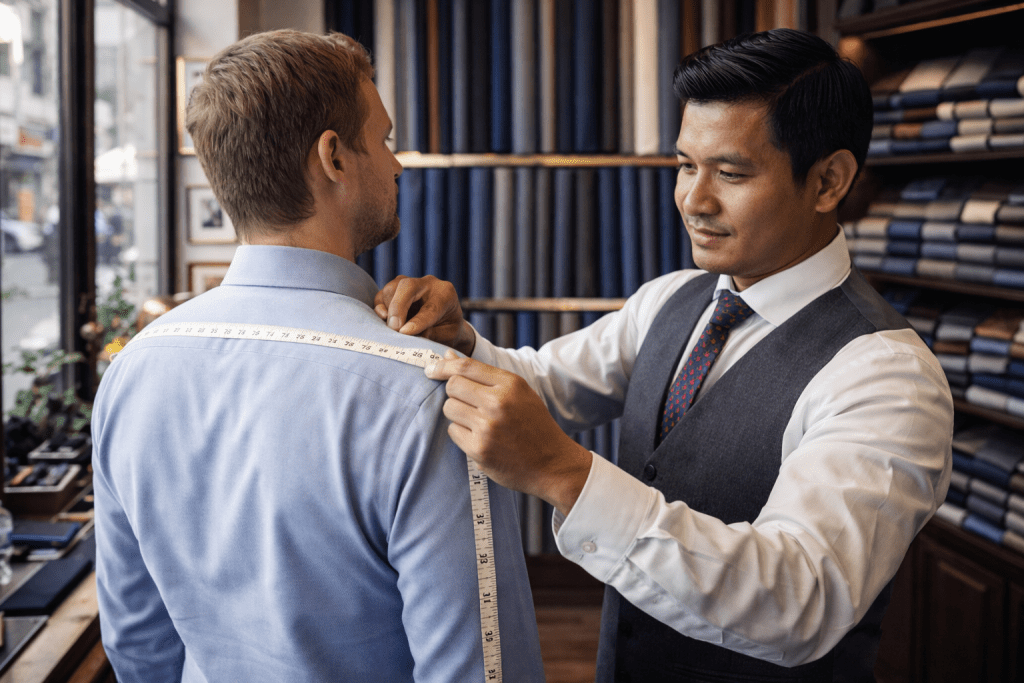
Bangkok’s custom tailoring scene is one of the city’s genuine treasures, but it requires informed navigation. The difference between a fantastic experience and an expensive disappointment often comes down to research and knowing what questions to ask.
Take your time, do your homework, and don’t let artificial urgency rush you into bad decisions. The best Bangkok tailors don’t need aggressive sales tactics because their work speaks for itself.
When you find that right tailor—someone who listens, delivers quality, and treats you fairly—you’ll understand why people rave about Bangkok custom tailoring. Just make sure you’re one of those happy customers, not another cautionary tale.
Looking for verified, reputable Bangkok tailors? Check our comprehensive guide to the 30 best tailors in Bangkok, featuring only shops with proven track records and satisfied customers.